
Disclosure: “The owners of this website may be paid to recommend Goldco or other companies. The content on this website, including any positive reviews of Goldco and other reviews, may not be neutral or independent.” Learn More
Anyone researching physical gold eventually lands on APMEX, and that prompted my own APMEX review after watching three friends move six-figure retirement balances into bullion last year.
The questions kept repeating: Are the premiums fair? Does the buyback actually pay? What happens if FedEx loses your package?
I spent days pulling apart their pricing tiers, IRA paperwork, and third-party complaint records. What follows is the unvarnished read for investors who already know what a self-directed IRA is and want hard data, not a sales pitch.
The Reality of Buying from the World’s Largest Precious Metals Dealer
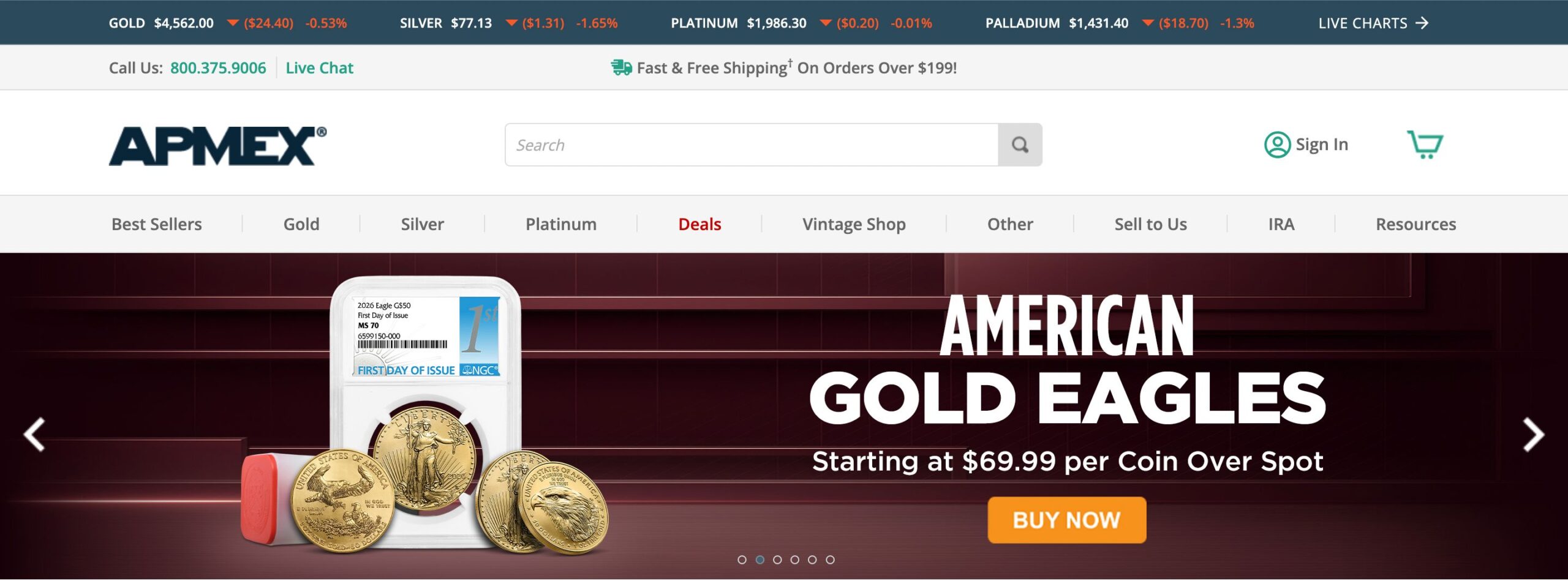
APMEX, formally American Precious Metals Exchange, runs its operation out of 226 Dean A. McGee Avenue in Oklahoma City. Scott Thomas founded the company in 1999 after running a physical coin shop, and today Ken Lewis serves as CEO with Doug Sterk as CFO and Mark Yoshimura as COO.
The scale is the first thing serious investors should register. APMEX has cleared more than $20 billion in transactions across 25+ years and serves over 1.8 million customers.
That volume matters because it secures their position as an Authorized Purchaser for the United States Mint, giving them direct allocation rights to American Gold Eagles, American Buffalos, and Silver Eagles before secondary dealers can touch the supply.
They hold similar standing with the Royal Canadian Mint, the Perth Mint, and PAMP Suisse. Their product catalog crosses 30,000 SKUs spanning gold, silver, platinum, palladium bullion, sovereign coins, numismatic pieces, paper currency, and even Bitcoin rounds. For perspective, most regional dealers stock fewer than 500 items.
Financially, the company has weathered three major bull cycles in metals since 2008. That history of liquidity is part of what makes them a default choice for retail investors, though as you’ll see, scale comes with friction.
Where APMEX Stands Out for Retail Investors
Several features genuinely separate APMEX from smaller competitors, and they deserve credit before the criticism starts.
Unrivaled Product Vault and Sovereign Mint Exclusives
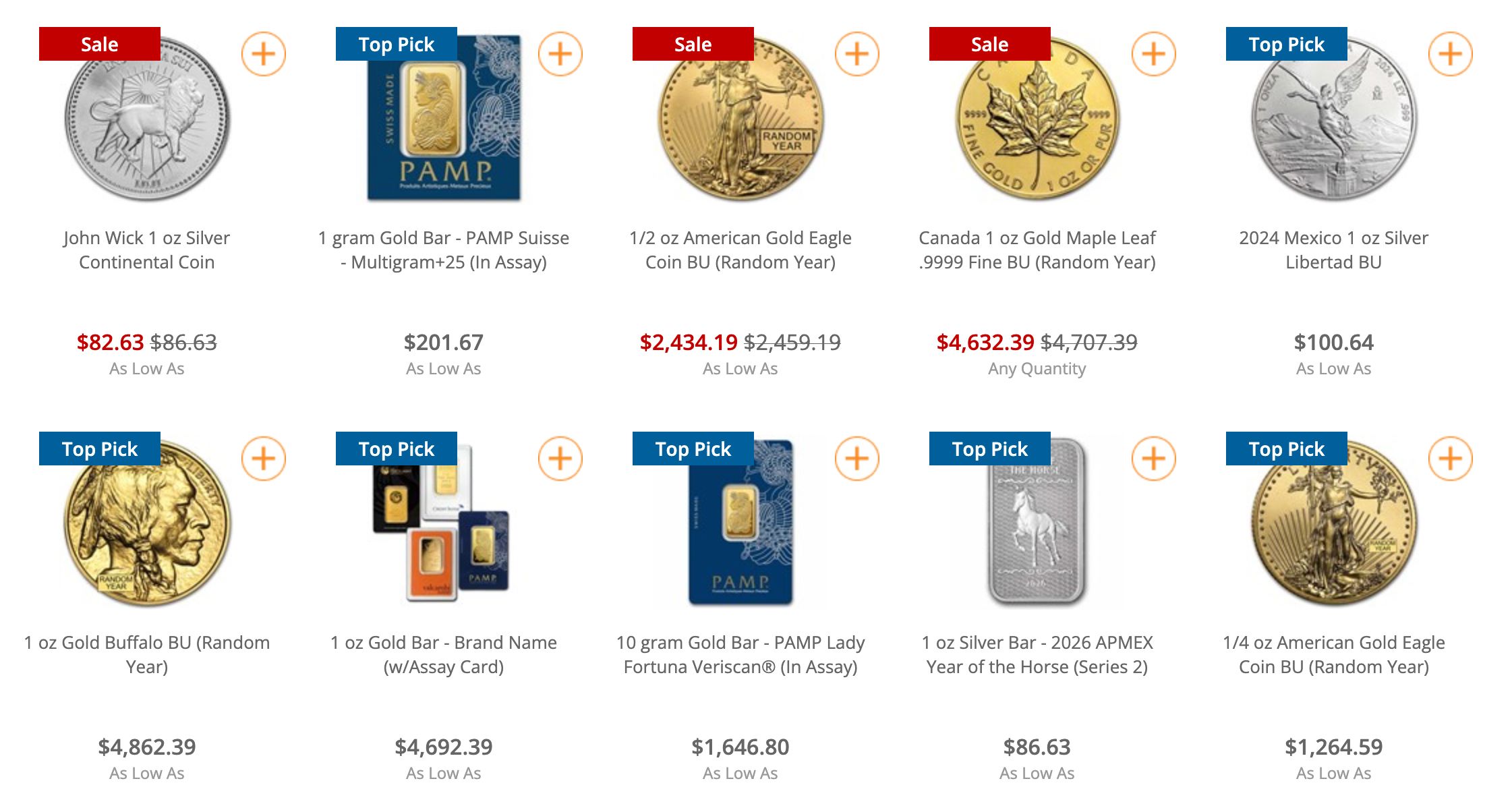
The depth of inventory is the real draw. If you want a 1986 first-year American Gold Eagle, a Perth Mint Lunar Series dragon coin, or a 100-gram PAMP Suisse Lady Fortuna bar, APMEX likely has it in stock and ready to ship.
Their Authorized Purchaser status with the U.S. Mint means new releases hit their site within hours of public availability. Smaller dealers wait days or weeks for secondary supply.
- Exclusive APMEX-only coin series minted in partnership with foreign sovereigns
- Direct allocation of Royal Canadian Mint Maple Leaf rolls and monster boxes
- PCGS and NGC graded numismatic inventory with verified populations
- Junk silver in tube and bag quantities for fractional investors
- Platinum and palladium options most dealers skip entirely
This inventory breadth is the single strongest argument for buying through APMEX, particularly for collectors hunting specific mint marks or proof finishes.
The AutoInvest Program for Automatic Dollar-Cost Averaging
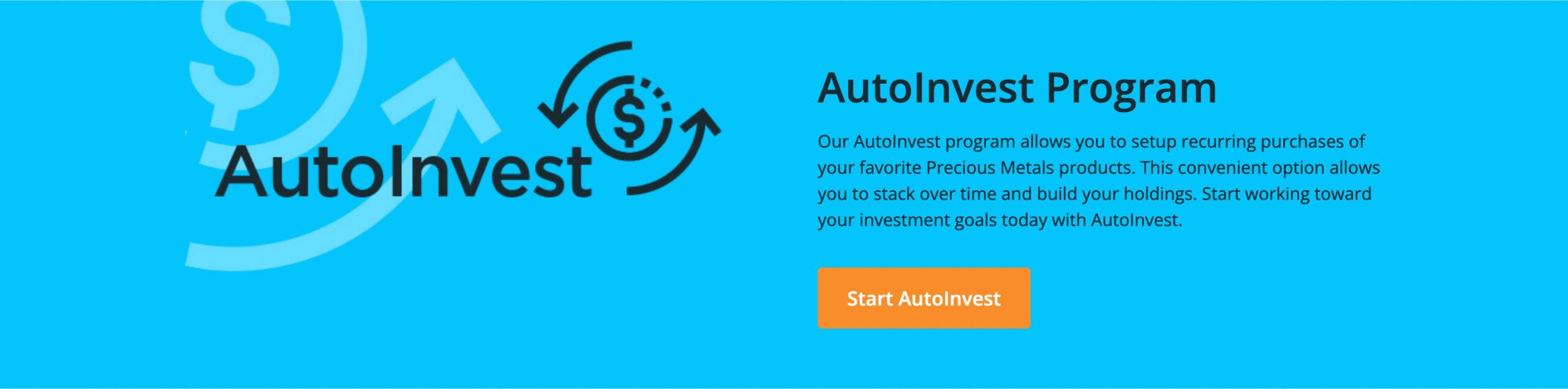
AutoInvest lets you schedule recurring purchases on a weekly, bi-weekly, or monthly basis. You pick the product, set the dollar amount or quantity, and the system executes at current spot prices automatically.
This is genuinely useful for investors building positions over time without trying to time the market. I’ve watched friends accumulate 50 oz of silver over 18 months without thinking about it once.
The discipline factor alone justifies the program for buyers who otherwise sit on the sidelines waiting for “the right price.”
Digital Metal Allocation via the OneGold Partnership
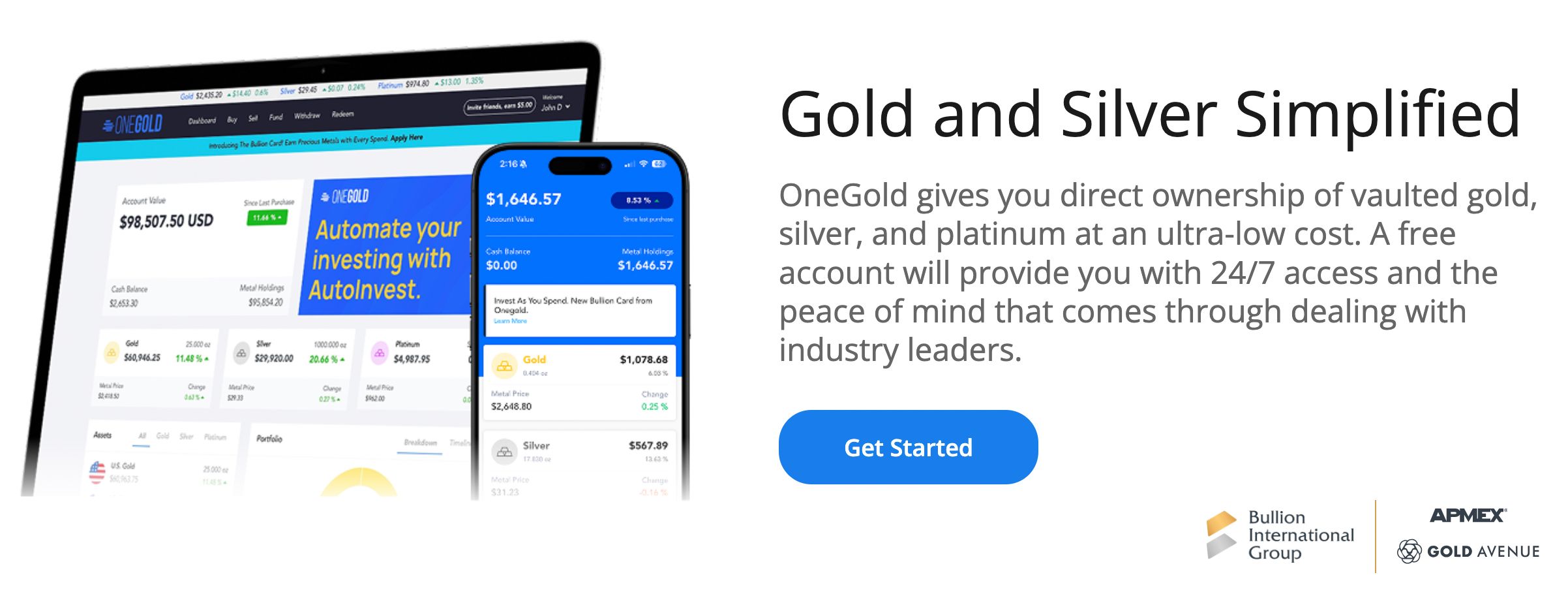
OneGold is a separate platform APMEX co-founded with Sprott. It offers fractional digital ownership of vaulted metals stored with institutions like Loomis and the Royal Canadian Mint.
The pitch is straightforward: you get metal exposure without ETF expense ratios like those charged by SPDR Gold Shares (GLD), and without taking physical delivery. Storage fees are percentage-based and competitive.
For investors who want allocation flexibility between physical and vaulted holdings, this is a real differentiator that few competing dealers offer.
Perks and Tiers of the APMEX Club Loyalty Program
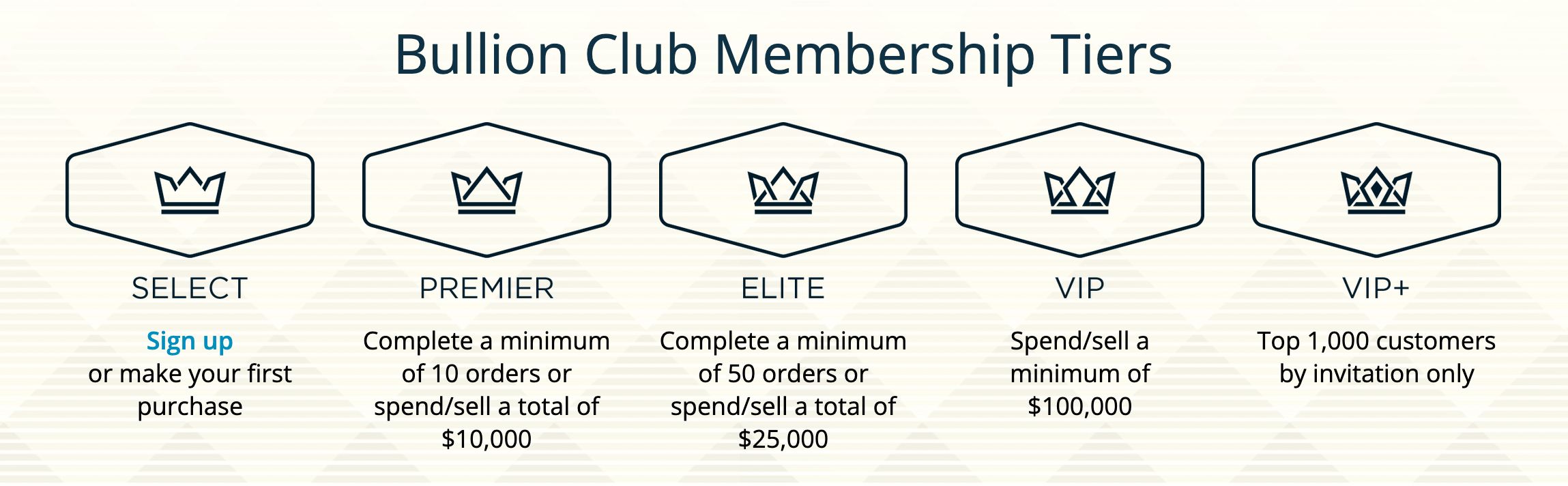
The Bullion Club runs four tiers: Select, Premier, VIP, and Elite. Benefits scale with annual spend and include priority inventory access, dedicated account managers, expedited shipping, and reduced premiums on specific products.
The APMEX Bullion Card adds a credit-side rewards layer for buyers funneling large volume through the platform. For investors purchasing $25,000+ annually, these perks meaningfully offset the premium gap.
Top gold bullion dealers online rarely offer this kind of loyalty infrastructure, and APMEX’s program is the most developed in the sector.
The Hidden Costs: Where APMEX Falls Short
Now the honest part. APMEX has structural cost issues that smaller competitors exploit, and investors deserve a clear breakdown before committing capital.
Higher Premiums and Markup Over Spot Prices
APMEX premiums regularly run 2-5% above competitors like SD Bullion, Money Metals Exchange, or Monument Metals on identical products. On a 1 oz American Gold Eagle, that gap can translate to $40-$100 per coin depending on market conditions.
The reasoning is part overhead, part brand premium. APMEX maintains massive inventory, larger staff, and a more polished checkout experience, which costs money. Whether that polish is worth $100 per coin depends entirely on the buyer.
For collectors hunting specific dates or graded coins, the premium is often justified because nobody else has the inventory. For investors stacking generic bullion, the math gets harder to defend.
The Complexities of Their Multi-Tiered Pricing Structure
This is the trap most reviewers gloss over. APMEX shows different prices based on your payment method, and the spread between tiers is significant.
- Bank wire or paper check: Lowest listed price (the “cash” price)
- Cryptocurrency (Bitcoin, etc.): Comparable to wire pricing
- Credit/debit card or PayPal: Roughly 4% higher than the cash price
That 4% delta is APMEX passing along card processing fees. The result is that a $5,000 gold order paid by credit card costs $200 more than the same order paid by wire. Many first-time buyers don’t notice the toggle on the product page until checkout.
You should always compare the wire price when benchmarking APMEX against competitors. The credit card price is essentially a financing premium.
Strict Return Policies and Market Loss Fees
Returns are bound by a Market Loss Policy. If spot prices drop between your order and your return request, you are liable for the difference plus a cancellation fee.
The standard return window is seven days. Outside that window, you’re stuck with the order. Compare this to brokerage trades, which settle in two days with full reversibility, and you can see why some buyers feel boxed in. Read the fine print before you click confirm.
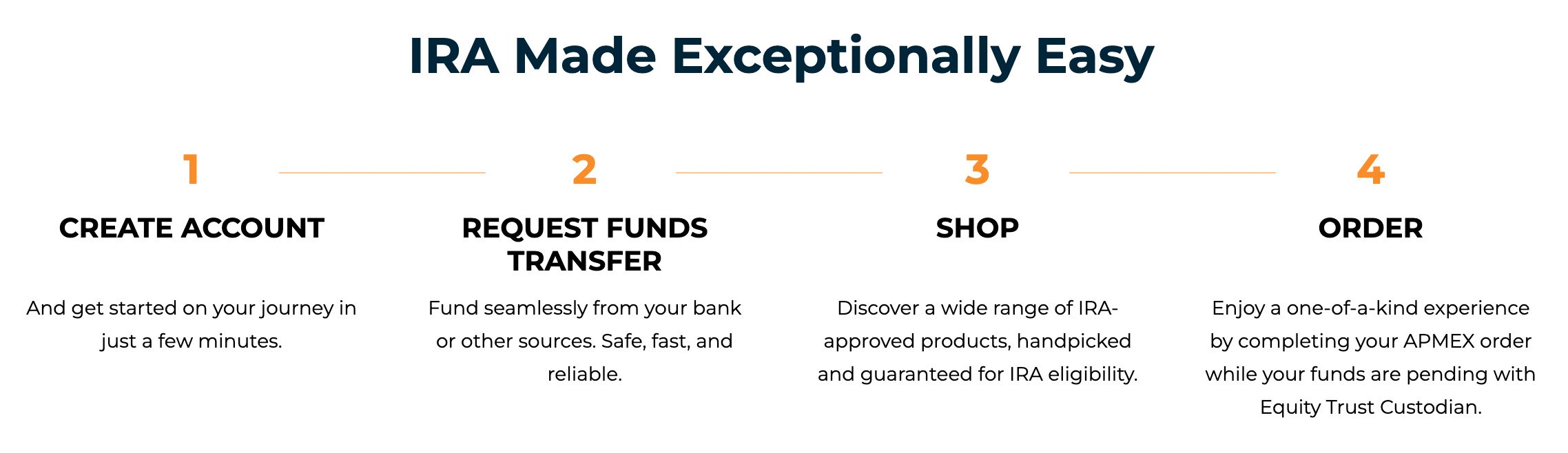
For retirement savers, APMEX functions as a metals supplier rather than a full-service IRA company. The structure matters because it shapes who you actually deal with for paperwork, storage, and fee disputes.
Sourcing IRS-Eligible Bullion and Coins
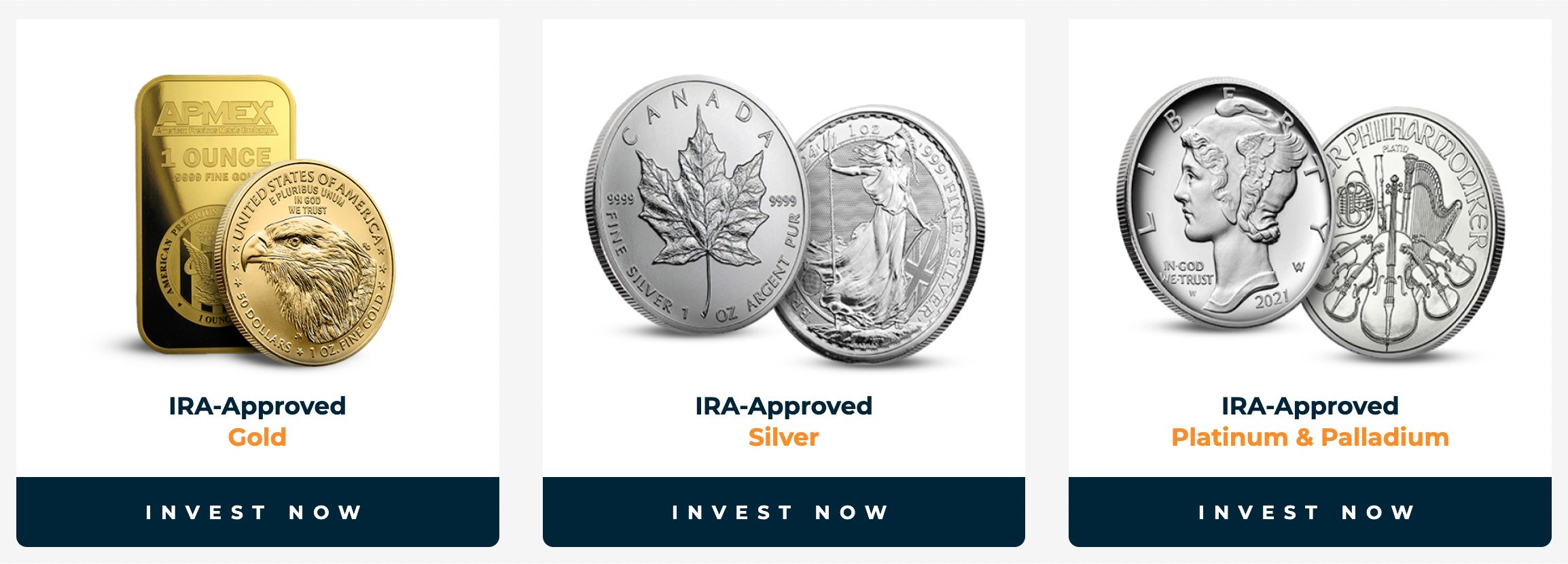
The IRS rules in Section 408(m) require minimum purity standards: 0.995 fine for gold bars and most coins, 0.999 fine for silver, and 0.9995 for platinum and palladium. American Gold Eagles get a specific statutory exemption despite being 22-karat.
APMEX clearly flags IRA-eligible products with a dedicated badge on each listing. The filter on their search page narrows the catalog down to compliant inventory in one click, which is genuinely helpful compared to dealers who make you cross-reference purity yourself.
Approved Custodian Partners and Storage Directives
APMEX works with independent self-directed IRA custodians, primarily Equity Trust Company and STRATA Trust Company, plus GoldStar Trust for certain account types. The custodian handles administration, tax reporting, and the legal structure of your IRA.
Physical metals ship from APMEX directly to an IRS-approved depository, never to your home. Common storage facilities include Delaware Depository and Brink’s Global Services vaults.
Home storage of IRA metals is prohibited under IRS rules regardless of what some marketing material suggests.
Understanding the Fee Schedule for IRA Transactions
IRA-related costs come from three sources, and investors should map them out before opening an account.
- Custodian setup fee: Typically $50-$100 one-time
- Annual custodian administration: $80-$300 depending on account size
- Annual depository storage: $100-$300 for segregated storage
- Wire and transaction fees: $25-$40 per movement
- APMEX product premium: Built into the metal purchase price
These fees come from the custodian and depository, not APMEX directly. For a full breakdown of how dealer-custodian arrangements compare across the industry, the Gold IRA companies ranked comparison is worth a read before you commit.
Selling Back to APMEX: How the Buyback Program Operates
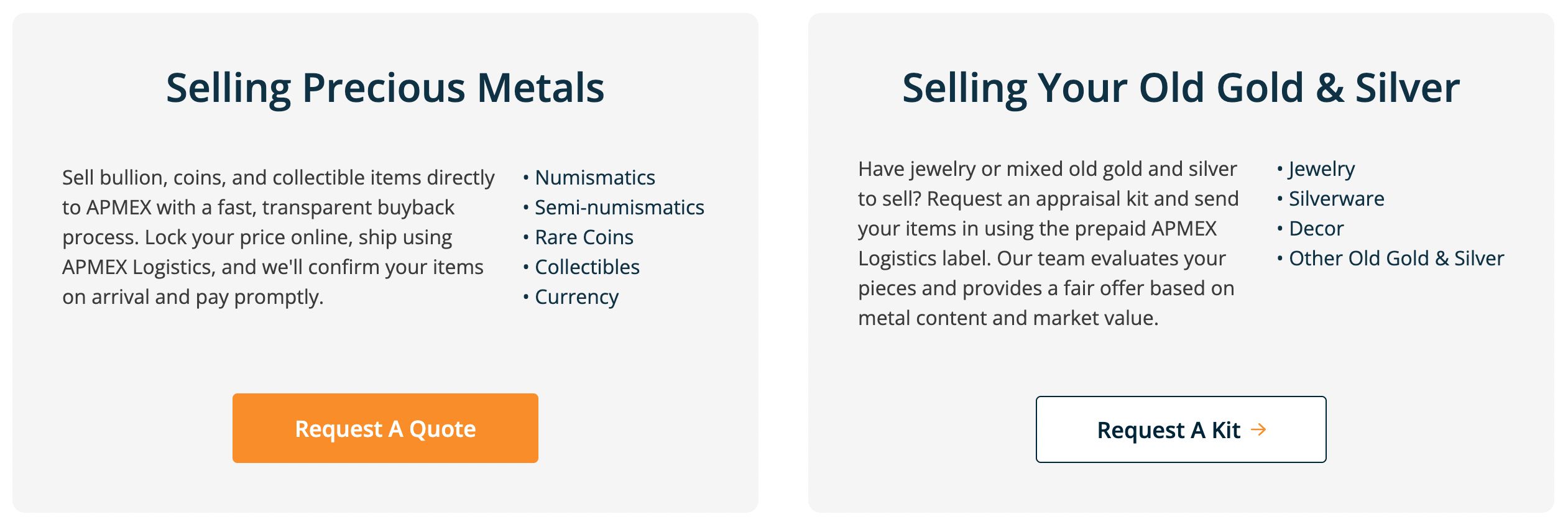
The buyback is where dealer relationships either prove their worth or fall apart. APMEX runs a functional two-way market, but the rates deserve scrutiny.
The Process for Liquidation and Locked-In Quotes
You lock in a buyback quote online or by phone at current bid prices. Minimum buyback is typically $1,000 for standard bullion.
APMEX issues a prepaid, insured shipping label covering up to $5,000; larger shipments require custom arrangements.
Once metals arrive and authenticate, payment releases by wire or check within 1-2 business days. The Old Gold Appraisal Kit handles scrap jewelry, silverware, and dental gold from 8K to 24K, with XRF scanner verification at their facility.
Comparing APMEX Buyback Rates to Market Spot Prices
Here’s the catch. APMEX’s bid prices on common bullion often run 1-3% below spot, while competing dealers like JM Bullion or Money Metals occasionally pay at or slightly above spot for high-demand products like Silver Eagles.
The spread is the cost of liquidity. APMEX guarantees they’ll buy back almost anything they sell, which is more than smaller dealers can claim during market panics.
If you need certainty of exit, you pay for it. If you have time to shop your sale, you’ll usually get a better number elsewhere.
Logistics, Insurance, and the QuickShip Guarantee

Shipping is where APMEX has built genuine operational strength, with caveats during volatile markets.
Packaging Security and Delivery Liability Transition
Packages ship in discreet, unmarked boxes with internal tamper-evident seals. Liability rests with APMEX until you sign for the package, at which point it transfers to you. Signature is required on every order above a modest threshold.
Free shipping kicks in at $199, which is competitive but not exceptional. Smaller dealers like SD Bullion offer free shipping at lower thresholds on specific products.
What Happens During Transit Discrepancies and Delays
This is the operational sore spot. When FedEx or UPS loses a high-value package, APMEX’s internal claims investigation can take weeks or months.
Customers report being in limbo waiting for refunds or replacement shipments while internal security reviews drag on.
During normal market conditions, shipping is fast and uneventful. During spikes like March 2020 or late 2022, delays stretched to weeks, and customer service queues backed up substantially. Order size and timing matter.
Analyzing Public Sentiment: Verified Third-Party Ratings
The third-party data tells a more nuanced story than any single platform reveals.
| Platform | Rating | Review Volume |
| Better Business Bureau | A+ Accredited / 1.08 of 5 | 61 customer reviews |
| Trustpilot | ~4.0 of 5 | 8,730+ reviews |
| ConsumerAffairs | ~2.7 of 5 | 375 reviews |
| Shopper Approved | 4.9+ of 5 | 265,000+ reviews |
| Google Reviews | ~4.9 of 5 | 19,000+ reviews |
The split between point-of-sale platforms and complaint-aggregation platforms is striking. Shopper Approved and Google Reviews capture immediate post-checkout sentiment when buyers are happy with a smooth transaction. BBB and ConsumerAffairs capture frustrated customers who escalated unresolved issues.
My read: APMEX runs a strong transactional experience for the 95% of orders that go smoothly. When something breaks, the bureaucracy of resolving it is where the company loses goodwill. Both realities are true at once.
Better Business Bureau Status and Historical Complaint Volume
The BBB profile shows A+ accreditation alongside a 1.08 customer rating from 61 individual reviews. Hundreds of formal complaints get processed over rolling three-year periods, with most focused on shipping disruptions, lost packages from third-party couriers, and slow internal claims investigations.
To APMEX’s credit, they actively respond to and close nearly all BBB disputes. The accreditation hasn’t lapsed in over a decade.
Investor Feedback on Trustpilot and ConsumerAffairs
Trustpilot sits around 4.0 across 8,730+ reviews, which is mid-pack for major dealers. ConsumerAffairs runs lower at 2.7 from 375 reviews, weighted toward customers reporting service friction rather than product quality complaints.
Volume Trends on Shopper Approved and Google Reviews
Shopper Approved aggregates over 265,000 verified post-purchase reviews at 4.9 stars. Google Reviews shows 4.9 across 19,000+ entries.
Both platforms capture the broad base of customers who got their metal, opened the box, and felt fine about it.
Common Themes in Negative Reviews: Delivery Delays and Customer Service Friction
The recurring complaints cluster around four issues:
- Lost or delayed packages through FedEx and USPS, with slow APMEX claims response
- Order cancellations during volatile markets with Market Loss fees attached
- Buyback bids running noticeably below spot on common products
- Customer service hold times stretching past an hour during demand spikes
None of these are deal-breakers in isolation. Together they paint a picture of a high-volume operation that prioritizes throughput over individual hand-holding.
Alternative Dealers to Consider Before Capital Allocation
APMEX isn’t the only credible option, and pricing-conscious investors should price-check at least two competitors before any order above $2,000.
JM Bullion vs. APMEX: Premium and Inventory Discrepancies
JM Bullion typically runs 1-2% lower premiums on generic bullion. Their inventory is narrower, particularly on numismatic and graded coins, but for stackers buying standard rounds and bars, the savings add up. Buyback rates are roughly comparable.
Money Metals Exchange vs. APMEX: Fractional Options and Lower Overhead
Money Metals Exchange emphasizes lower overhead and stronger pricing on fractional silver and gold. Their depository partnership offers competitive storage. For investors who don’t need APMEX’s catalog depth, Money Metals delivers a leaner cost structure.
Frequently Asked Questions
Q1. Why Are the Prices on the APMEX Website Different Based on How I Pay?
APMEX uses tiered pricing to offset payment processing costs. Bank wires, paper checks, and cryptocurrency get the lowest “cash” price.
Credit card, debit card, and PayPal orders run roughly 4% higher because the dealer absorbs interchange fees on card transactions.
Q2. Can I Store Metals Purchased from APMEX at Home if They Are for a Retirement Account?
No. IRS rules require IRA-held metals to be stored at an approved depository under custodian control. Home storage of IRA bullion triggers a taxable distribution and potential penalties regardless of dealer marketing claims to the contrary.
Q3. What Is the Exact Minimum Order Size Required for Free Domestic Shipping?
Free standard shipping applies to orders of $199 or more within the United States. Orders below that threshold carry a standard shipping fee, which varies by product weight and insurance value.
Q4. How Does the APMEX Bullion Card Compare to Standard Cash-Back Credit Cards?
The APMEX Bullion Card offers rewards on metal purchases at APMEX specifically. For buyers who concentrate volume on the platform, it can outperform a generic 2% cash-back card. For diversified spenders, a flat-rate cash-back card typically wins.
Q5. Does APMEX Report My Precious Metals Purchases to the IRS?
APMEX does not report retail purchases to the IRS. They are required to file Form 1099-B for specific buyback transactions involving certain quantities and product types defined by IRS rules. Gains on bullion held outside an IRA are taxed as collectibles at rates up to 28% federally.
The Final Verdict: Is APMEX Right for Your Portfolio?
APMEX is legitimate, financially solid, and operationally capable. For collectors hunting specific coins, investors who value catalog depth, and buyers who want guaranteed buyback liquidity, the premium is defensible.
For stackers focused on lowest-cost ounces, smaller competitors deliver better pricing on identical generic bullion.
Always pay by wire or check to access the lower price tier, read the Market Loss Policy before clicking confirm, and compare at least one competitor quote on orders above $2,000.
The system works. It just costs more than it has to if you don’t shop smart.
Goldco Precious Metals
- Goldco Surpasses $2 Billion in Precious Metals Placements
- Over 6,000 Five-Star Ratings on BBB, Trustpilot, and ConsumerAffairs
- Seven-Time Winer on the Inc. 5000 List