

Disclosure: “The owners of this website may be paid to recommend Goldco or other companies. The content on this website, including any positive reviews of Goldco and other reviews, may not be neutral or independent.” Learn More
Anyone shopping for a precious metals dealer right now faces a wall of celebrity endorsements, A+ ratings, and identical-sounding sales pitches.
Bishop Gold Group sits squarely in that crowded space, backed by names like Sean Spicer and Ted Nugent, with strong consumer ratings to match.
But endorsements don’t protect your retirement. Fee transparency, depository security, and complaint patterns do.
This Bishop Gold Group review pulls back the curtain on what this company actually offers, what it costs, and where the cracks show.
I wrote it because too many gold dealer reviews online read like recycled press releases, and pre-retirees deserve better.
Who is Bishop Gold Group, and Where Did They Come From?

Bishop Gold Group is a national precious metals dealer founded in November 2017 and structured as a Limited Liability Company.
The firm sits at 1801 Century Park East, 24th Floor, in the Century City district of Los Angeles, California, and ships nationwide across all 50 states.
The company’s core business focuses on two things: selling physical gold, silver, platinum, and palladium for direct delivery, and facilitating self-directed Precious Metals IRAs through approved third-party custodians.
They handle rollovers from Traditional IRAs, Roth IRAs, 401(k)s, 403(b)s, 457 plans, and the federal Thrift Savings Plan.
Here’s something worth flagging early. The company does not publicly name its CEO, founder, or owner anywhere on its official website or its Better Business Bureau profile.
They operate corporately under the LLC name. Support runs Monday through Friday, 9:00 AM to 5:00 PM Pacific Time, with online forms available around the clock.
The Specific Precious Metals and Services You Can Buy Here
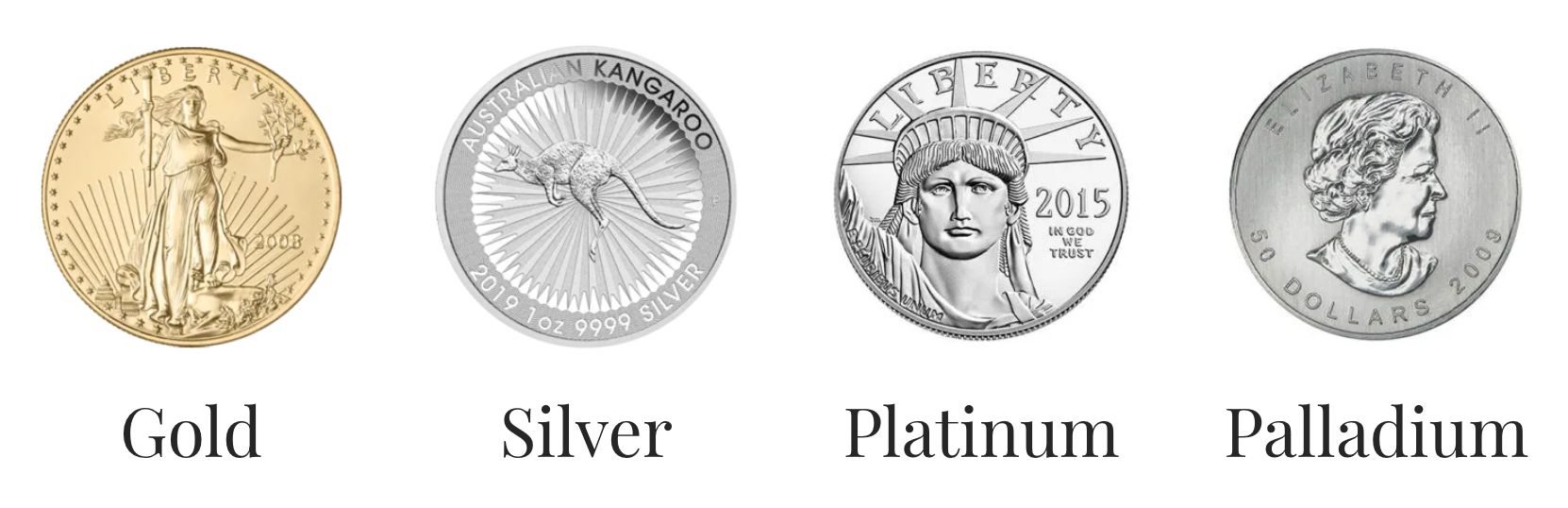
Before you call any dealer, you should know exactly what’s on the menu. Bishop Gold Group breaks its offerings into three buckets: retirement-eligible bullion, direct cash purchases, and an exit strategy for when you want out.
IRS-Approved Coins and Bars for Retirement Accounts
For a Precious Metals IRA, the IRS sets strict purity standards (99.5% for gold, 99.9% for silver, 99.95% for platinum and palladium). Bishop Gold Group carries a wide catalog that meets these rules, including:
- Gold coins: American Eagle, American Buffalo, Canadian Maple Leaf, Mexican Libertad, British Britannia, Australian Kangaroo, and South African Krugerrand
- Gold bars: Eleven sizes ranging from 1 gram up to 1 kilogram
- Silver options: American Silver Eagles, Canadian Maple Leafs, Australian coins, plus bars from 1 ounce to 100 ounces
- Platinum: American Eagle coins in multiple weights, alongside platinum bars and rounds
- Palladium: Canadian Maple Leaf coins, plus bars and rounds
That product range matches what serious investors expect from a full-service dealer. Nothing exotic, nothing missing.
Cash Purchases for Direct Physical Delivery to Your Home
If you want metals outside a retirement account, Bishop ships directly to your door. Packages arrive discrete, insured, and require a signature on release.
Reviewers mention that coins arrive in mint-fresh original packaging, not secondary-market condition with scratches or scuffs. Small thing. Matters more than people realize when you eventually try to sell.
The Account Liquidation and Buyback Policy
Bishop runs an active buyback program. Customers can sell metals back at fair market prices when they need cash.
This isn’t a contractual obligation in writing on most pages, but customer reviews confirm the exit process works.
For retirees taking required minimum distributions, a real buyback channel matters more than the sales pitch on the way in.
Getting Down to Numbers: What Are the Real Costs and Fees?
Here’s where Bishop Gold Group stumbles, and where you need to pay attention. The fee structure is not posted on their website. You have to call.
Account Setup, Annual Maintenance, and Storage Charges
ConsumerAffairs explicitly lists the lack of public fee disclosure as a “con” in its Bishop Gold Group writeup.
Setup costs, annual custodian maintenance fees, and storage charges at Brink’s Global Services or Delaware Depository only surface during a phone consultation. The minimum investment threshold has been reported around $5,000.
Compare that to competitors who post flat fee schedules online, and the opacity becomes a real friction point.
Among providers that make it easier to roll over an IRA into physical gold, the ones publishing fee tables upfront earn more trust than those that don’t.
The Hidden Factor: Understanding Price Markups on Physical Metals
Every dealer adds a premium over the spot price. That’s how they make money. Bishop reviewers who cross-shopped against larger TV-advertised competitors reported lower markups on American Gold Eagles and similar mainstream coins. Good sign.
But without a published premium grid, you need to get specific quotes in writing and compare them against APMEX or JM Bullion spot pricing on the same day before you commit.
Step by Step: Moving Your Retirement Funds Into a Bishop Gold Account
A rollover into a self-directed IRA can take anywhere from a week to a month. Bishop breaks the process into three practical phases.
1. Choosing an Independent Custodian and Setting Up the Structure
You cannot self-custody IRA gold. The IRS requires a qualified trustee. Bishop works with several approved custodians, and you select one before any metal moves.
Reviewers mention DocuSign-based paperwork, which cuts the old print-sign-mail headache down to about 15 minutes.
2. Executing the Rollover and Transfer Without Tax Penalties
Bishop handles trustee-to-trustee transfers, which are the safest path. A direct rollover means funds move from your old plan to the new custodian without ever passing through your hands, so the IRS 60-day rollover rule and the one-rollover-per-year limit don’t trip you up.
Their compliance team walks you through the custodian paperwork line by line over the phone. For people who haven’t done a rollover before, that hand-holding is genuinely useful.
3. Selecting Your Metals and Arranging Secure Depository Storage
Once the funds clear the new custodian account, you pick your coins and bars. Bishop ships the metal to either Brink’s Global Services or Delaware Depository, both insured up to $1 billion in property and casualty coverage. The full cycle typically wraps within 28 days from initial paperwork to vault confirmation.
Real Investor Experiences: What the Third Party Review Sites Say

Star ratings tell you something. The pattern behind those stars tells you more.
| Review Platform | Rating | Total Reviews | Notable Detail |
| Better Business Bureau | 4.93 / 5 (A+) | 95 | Accredited since May 28, 2020 |
| Trustpilot | 4.7 / 5 | 66 | 97% five-star, 2% one-star |
| ConsumerAffairs | 4.3 / 5 | 9 | 83% five-star, 17% one-star |
| Google Reviews | 4.5 / 5 | 82 | Mix of investor and local feedback |
The math is strong on paper. But review counts under 100 across three of the four platforms mean a single bad month could shift the percentages.
My take: the ratings are real, but they describe a company that hasn’t yet served the volume of clients that larger competitors like Augusta or Noble Gold have. Take the high scores as a positive signal, not as proof of bulletproof service.
Better Business Bureau Ratings and Filed Complaints
The A+ rating with 4.93 out of 5 across 95 customer reviews is strong. BBB accreditation since 2020 adds credibility.
The profile features positive text reviews prominently, with limited formal complaint volume. Worth checking the most recent BBB filings yourself before you sign anything, since profiles update.
Trustpilot and ConsumerAffairs Sentiments
Trustpilot shows 4.7 stars with 97% five-star reviews. ConsumerAffairs sits lower at 4.3 stars. The negative reviews on ConsumerAffairs are the ones worth reading carefully.
One reviewer named Cheryl reported in February 2026 that she moved $600,000 into a Bishop-facilitated IRA but received an account statement showing only $300,000. She alleged the company failed to return follow-up calls from her family.
That’s a serious complaint. Whether it reflects a custodian reporting error, a market value miscalculation, or something worse, it’s the kind of story that warrants direct questions before you wire any large sum.
Google Reviews and Local Feedback from Actual Clients
Google’s 4.5-star average across 82 reviews tracks closely with Trustpilot. Several Google reviewers single out a specific account executive named Beau for proactive 60-day check-ins long after the sale closed. Personal account management consistency is rare in this industry, and it’s worth weighting positively.
The Good and the Bad: A Balanced Look at Their Strengths and Weaknesses
No company is all green flags or all red. Here’s the honest split based on what shows up across platforms.
Where Bishop Gold Group Stands Out
- Low-pressure consultative selling. Staff focus on education over hard closes, which contrasts with the high-pressure tactics common in the industry
- Verbal price locks honored. Multiple reviewers confirmed that quoted prices held even when spot prices moved against the company within hours
- Custom portfolio building. No pre-baked packages forced on every customer
- Tier-one depository partners. Brink’s and Delaware Depository are widely respected within the industry
- Modern paperwork tools. DocuSign integration cuts down the rollover headache significantly
- Competitive markups. Cross-shoppers reported lower premiums than heavily televised competitors
This is a credible operational profile for a firm that’s only been around since 2017.
Where the Company Falls Short
- No public fee disclosure. Setup, storage, and maintenance fees require a phone call to uncover
- Anonymous ownership. No named CEO or founder on the website, which limits accountability transparency
- Limited review volume. Under 100 reviews on most major platforms means the data set is still thin
- Serious unresolved complaints exist. The $300,000 statement discrepancy on ConsumerAffairs deserves direct explanation from the company
- Cold call complaints. At least one Trustpilot reviewer reported a rude phone interaction after submitting a newsletter signup
- One reported processing error. An older review noted a tax-withholding withdrawal that misrouted funds to a credit union rather than to the IRS
None of these is a deal-killer on its own. Together, they paint a picture of a smaller company still building its operational maturity.
Frequently Asked Questions
Q1. What Is the Minimum Investment Required to Open an Account With Bishop Gold Group?
Reported minimums sit around $5,000 to open a Precious Metals IRA. That’s lower than competitors like Augusta Precious Metals, which requires $50,000. Confirm the current threshold with your account executive before you plan a rollover amount.
Q2. Does Bishop Gold Group Charge a Flat Annual Storage Fee or a Scaled Percentage Fee?
The company does not publish its storage fee structure publicly. Custodians and depositories typically charge either a flat annual rate (often $100 to $300) or a percentage of assets under storage. Ask for the exact figure in writing before signing custodian paperwork.
Q3. Can I Store My Retirement Precious Metals at Home if I Buy Through Them?
No. IRS rules require that IRA-held precious metals be stored at an approved depository. Home storage of IRA gold has been challenged by the IRS and carries serious tax penalty risk. Bishop ships IRA metal to Brink’s or Delaware Depository, not to your home.
Q4. How Long Does the Typical Asset Transfer or Rollover Process Take With Their Team?
The full cycle from paperwork to vault delivery usually completes within 28 days. Trustee-to-trustee transfers can run faster, while 401(k) rollovers from current employers sometimes take longer due to plan administrator timelines.
Q5. Has Bishop Gold Group Ever Been Involved in Any Federal Regulatory Actions or Major Lawsuits?
Public records searches do not show any federal enforcement actions from the Commodity Futures Trading Commission or major class-action lawsuits against Bishop Gold Group as of this review’s publication.
The BBB profile shows minimal formal complaints. Always run your own current search before committing funds.
Final Verdict: Should You Trust Bishop Gold Group With Your Retirement?
Bishop Gold Group is a legitimate, BBB-accredited dealer with strong consumer ratings, tier-one depository partners, and a clean regulatory record so far.
For investors who want a smaller, more personal alternative to the giant TV-advertised firms, it’s a reasonable choice, especially for accounts in the $5,000 to $100,000 range.
But the missing fee transparency, anonymous ownership, and at least one unresolved high-dollar complaint mean you should ask hard questions before wiring large sums.
Get every fee in writing. Verify the custodian and depository agreements directly. Cross-check spot pricing on the day you buy.
Trust, but verify. That’s how retirement money survives the next forty years.
Goldco Precious Metals
- Goldco Surpasses $2 Billion in Precious Metals Placements
- Over 6,000 Five-Star Ratings on BBB, Trustpilot, and ConsumerAffairs
- Seven-Time Winer on the Inc. 5000 List